
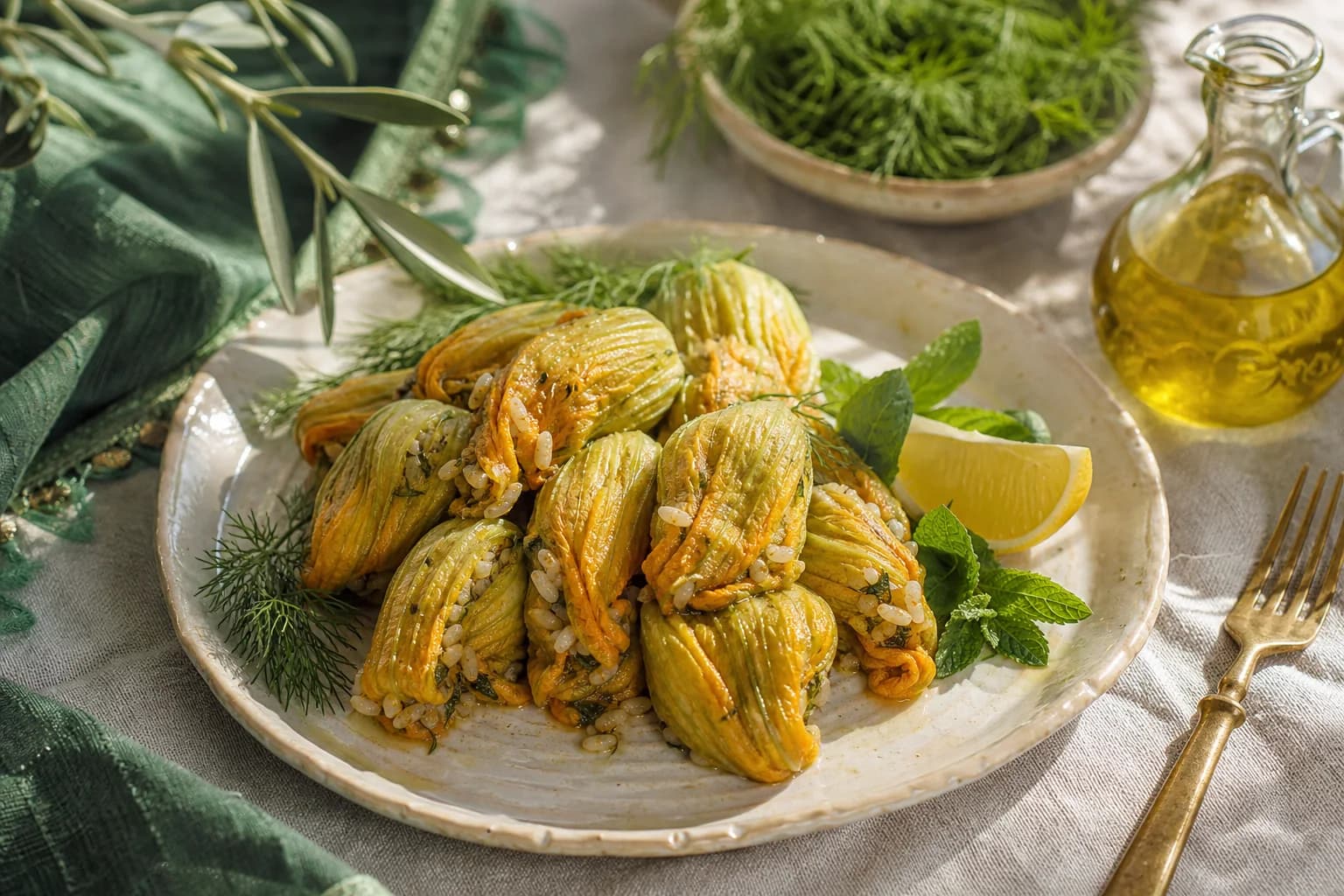
Why are artichokes best in season?
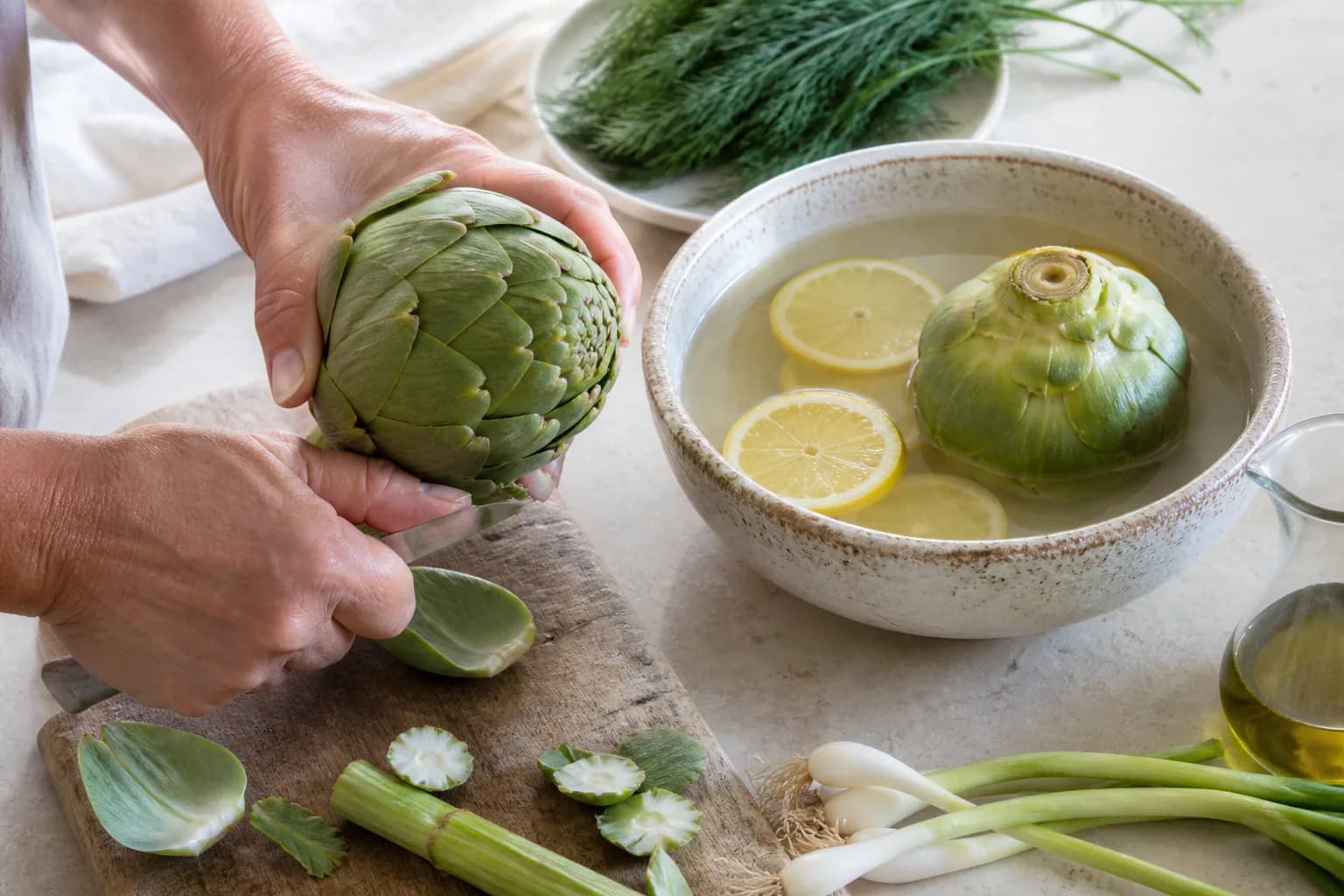
The texture and aroma of an artichoke change with its variety, freshness and season. When a fresh artichoke is cleaned and cooked carefully, it becomes tender while retaining its shape.
In Aegean kitchens, the season acts as a natural calendar for the menu. The quality of an artichoke dish therefore depends as much on the timing and selection of the ingredient as on the recipe itself.
Balance in olive-oil cooking
Olive oil should not overpower the dish. The flavour of the vegetable, the sweetness of onion, fresh herbs and the cooking liquid need to form a balanced whole.
Allowing the dish to rest helps these flavours come together. Serving temperature also changes the way the aromas are perceived.
- Fresh vegetables selected in season
- Olive oil that supports the ingredient rather than covering it
- Controlled cooking that preserves the vegetable’s shape
- Enough resting time for the flavours to settle
Sharing at the Aegean table
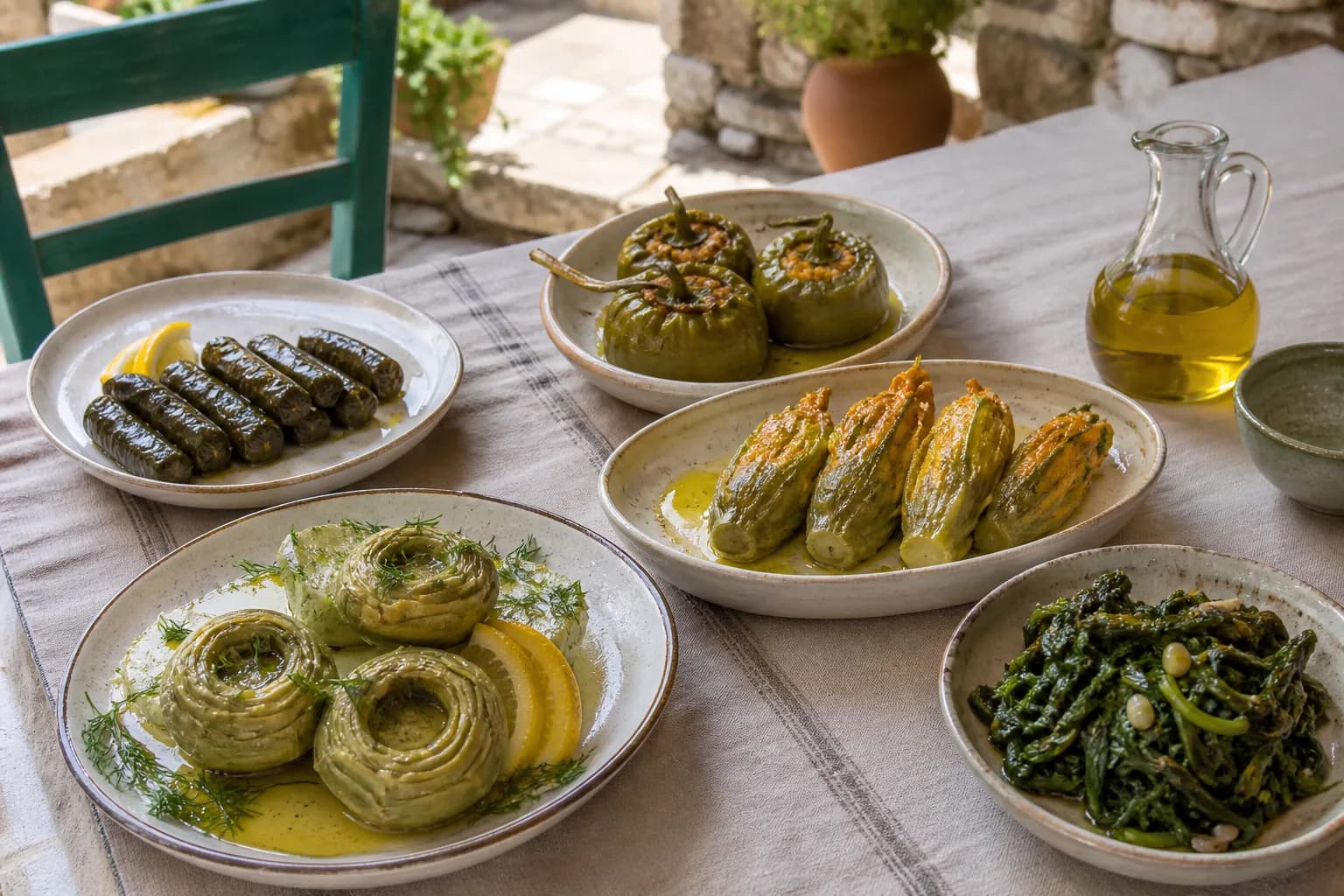
Olive-oil dishes are often placed at the centre of the table and shared. Several small plates make it possible to experience different vegetables and cooking methods in the same meal.
Artichokes served with stuffed vine leaves, peppers and seasonal greens create a broad but balanced picture of Aegean cuisine.
Recording culinary knowledge
Writing down recipes, ingredient choices and seasonal knowledge helps preserve regional food culture. Radika Guide documents not only the names of dishes, but also the methods and traditions that give them meaning.
Our guides document regional food culture in a clear and useful way. Seasonal dishes and current service details may change over time.